You have 0 items in your cart
September was filled with activities that invited us to return to learning directly from nature, while also sharing knowledge through discussion spaces and regular meetings. Although the activities varied, they were connected by the same common thread: expanding understanding, strengthening networks, and maintaining a reflective and purposeful rhythm in conservation work.
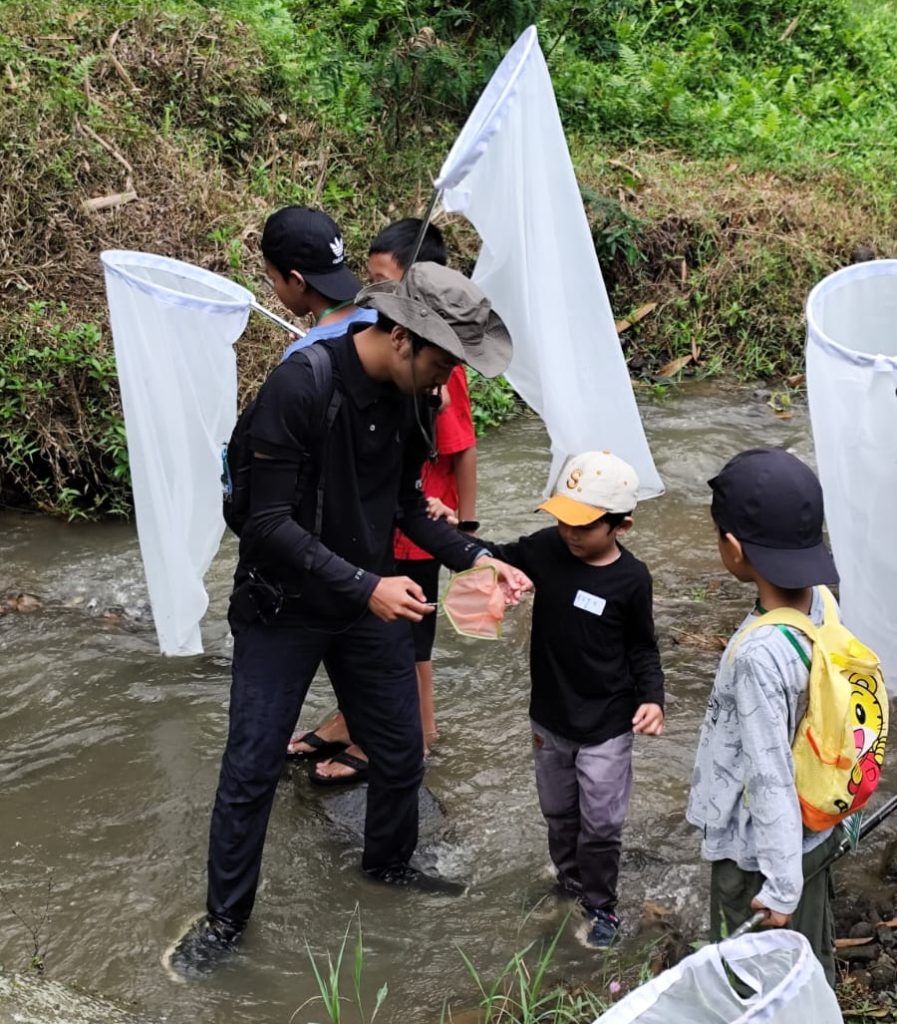
One of the activities we joined was an insect exploration with Nusantara Wilderness in the Kalikuning area, Yogyakarta. This activity served as an open learning space to observe and understand insect diversity in nature firsthand. Through field observations, participants were introduced to the crucial roles insects play in ecosystems—as pollinators, decomposers, and indicators of environmental health. The exploration not only increased knowledge but also nurtured curiosity and care for living beings that are often overlooked.
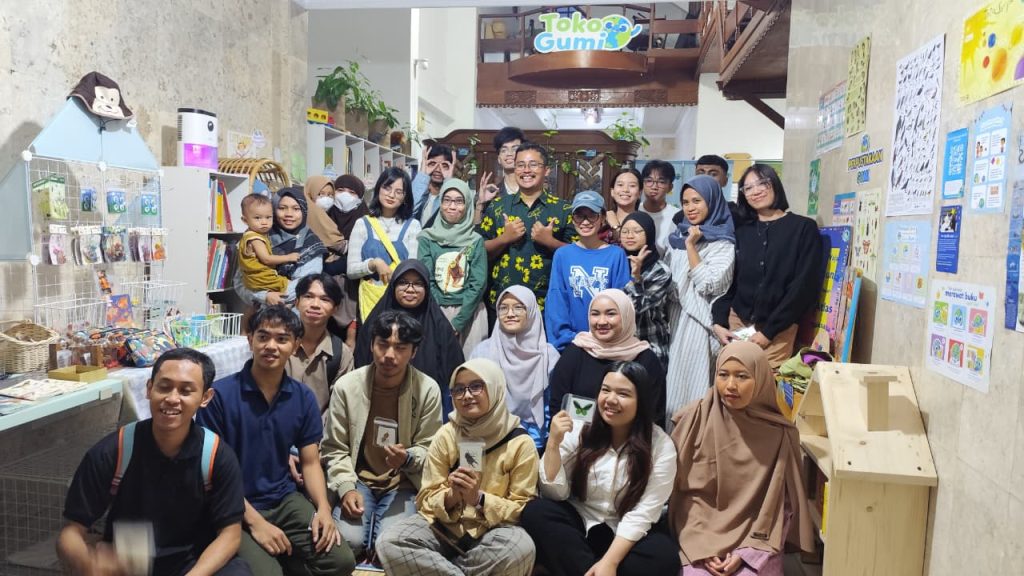
In addition to field activities, the month also featured the introduction of the book “Jelajah Serangga” (Insect Exploration) in a discussion forum attended by approximately 30 participants. The book was presented by Guru Bumi and Garda Bagus D, with discussions highlighting how insects can serve as an engaging and grounded entry point for learning ecology. On this occasion, Cisca from WRC Jogja participated as a speaker, sharing perspectives drawn from her experience working in wildlife conservation. The discussion was warm and interactive, bringing together participants from diverse backgrounds who shared a common interest in nature and environmental education.
This discussion served as a reminder that environmental literacy is not only important for academics or practitioners but also for the wider public. Books, field stories, and dialogue spaces like this act as bridges that connect conservation issues with everyday life.
Amid various external activities, weekly update meetings remained an important part of our routine. These meetings function as spaces for evaluation and coordination, where we share progress, challenges, and plans for next steps. Although WRC Jogja currently does not have a permanent site due to an ongoing and lengthy relocation process, these meetings are held regularly in locations that are easily accessible for the team. They help ensure that our work remains aligned with organizational goals and that each process moves forward in a more structured way.
Overall, the series of activities in September shows that conservation is not always about large-scale actions in the field. It is also present in slow walks through nature, reading and discussing books, and sitting together to exchange updates and ideas.
Through simple yet consistent steps, we believe conservation efforts can continue to grow and create meaningful long-term impact.