You have 0 items in your cart
We work to rehabilitate the protected animals and return them to their wild homes. However, some of the animals were raised as pets before coming to WRC and have become so mentally impaired that releasing them is no longer an option. Several individuals also have physical disabilities that mean they can never be released into the wild. Furthermore, for those animals which still have the option of release, the transfer is in most cases not possible, partly due to deforestation and insufficient funds. It is very difficult to find suitable release habitat in Java, where protected species can thrive without the threat of poaching or habitat loss.
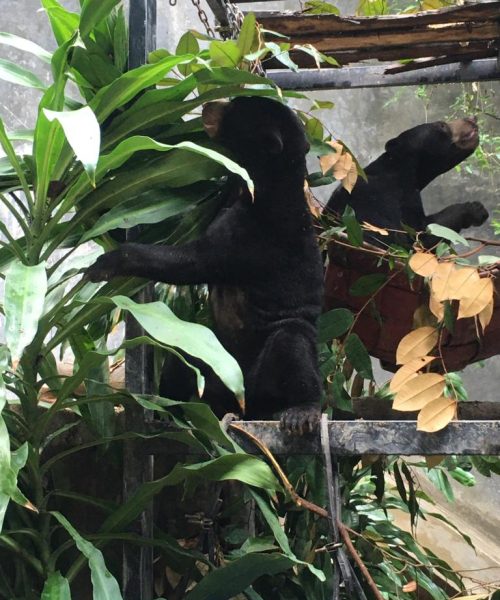
To date, we have taken in over 1000 animals, and have successfully released over 100. The disparity in those numbers is due largely to translocations. Though our facilities are slowly improving, we still do not have the capacity, staff, or proper enclosures to rehabilitate many species that we help to rescue. Additionally, many of our residents are not from Java (orangutan, sun bears), and therefore must be transported back to a rehabilitation centre in their homeland (usually Borneo or Sumatra). Fortunately, we work closely with other rehabilitation centers around Indonesia, so many animals are transferred to those that are better equipped for intensive rehabilitation programs.
Perhaps our most successful area is in native eagle rehabilitation. We have large pre-release enclosures where birds of prey can practice flying, hunting, and get accustomed to their native forest habitats.
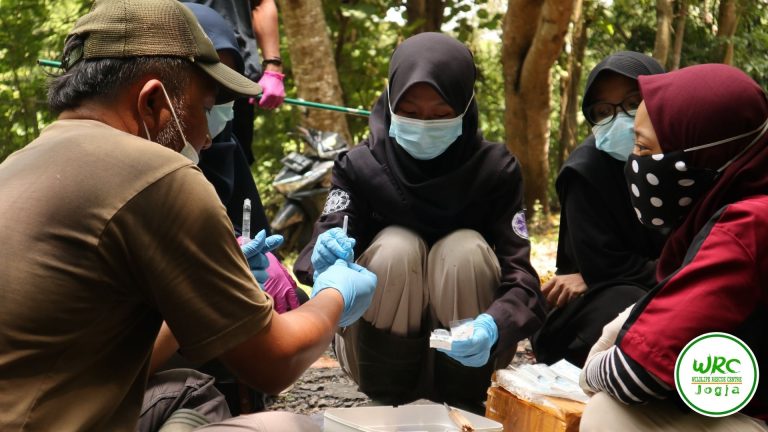
No animal deserves to be here. They should be enjoying the jungle and their natural habitats but unfortunately, that’s a lot easier said than done. We try to rehabilitate as many animals as possible and return them to a safe area within Java. However, financial strain, lack of suitable habitat, physical ailments, and behavioral issues with the animals mean most of our residents will stay with us for the rest of their lives. This may sound very sad but our staff at WRC care greatly for every single animal. They are cleaned daily, have healthy, natural diets, often receive enrichments for amusement and are, most importantly, safe. That is so much more than most of them had before they arrived here.
We greatly welcome every donation, whether it be great or small, and encourage you to sponsor one of our animals to ensure their continued care at WRC. We also appreciate and support people running their own sponsorships in our favor and, of course, if you’re interested in our Volunteer or Conservation Education programs, please get in touch right away to see your contribution go a long way!
Many people are still unaware of the importance of biodiversity and the need for conservation in Indonesia and worldwide. Education can go a long way for native wildlife, so share our story along with the effects of deforestation, the exotic pet trade, harmful animal tourism, and spread your love of wildlife!
And the most important thing of all:
DO NOT SUPPORT OR FUND THE ILLEGAL WILDLIFE TRADE!!


From all of us at the Wildlife Rescue Center,
may the new year bring hope, healing, and protection
for wildlife and the forests they call home.