You have 0 items in your cart
October became one of the most encouraging periods in our conservation journey. Alongside spaces for discussion and the exchange of ideas, this month also brought good news from the ongoing conservation efforts for the Malayan Giant Turtle (Orlitia borneensis).
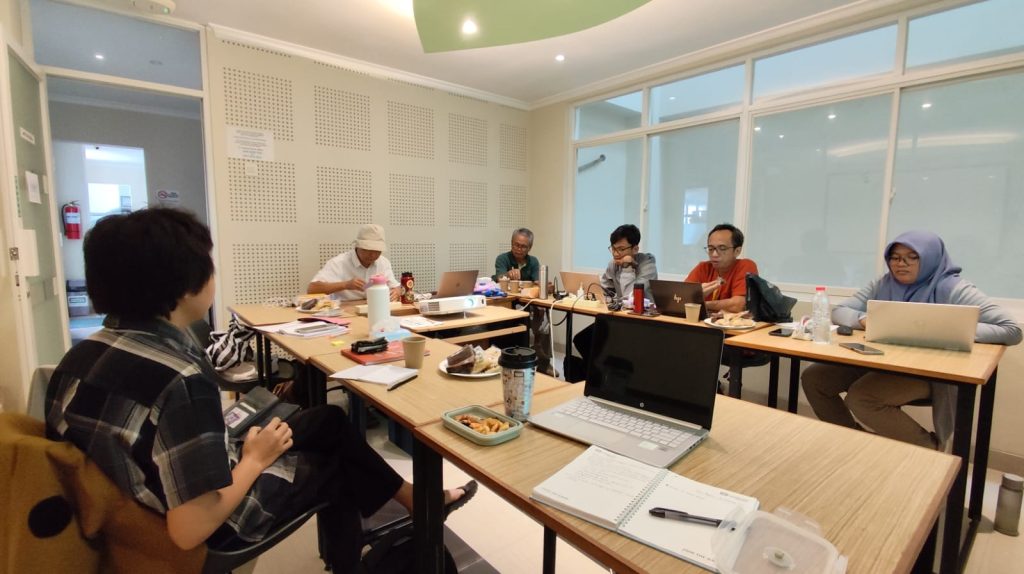
One of the key activities in October was a discussion with Burung Indonesia. This meeting served as a space to share perspectives and experiences related to wildlife conservation issues, habitat management, and the challenges faced by conservation organizations in the field. The discussion was open and constructive, bringing together viewpoints from diverse backgrounds. For us, spaces like this are extremely valuable—not only for strengthening networks, but also for opening opportunities for future collaboration in protecting biodiversity.
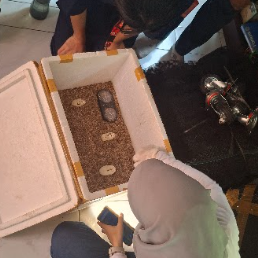
Amid discussions and coordination activities, October also delivered encouraging news. Several Bajuku turtle eggs successfully hatched, marking a small yet meaningful step in the conservation process of this species. One important moment was the inspection of Bajuku eggs that hatched for the first time in early October. These eggs went through an incubation process using a simple artificial incubation method, employing a styrofoam box with carefully controlled temperature and humidity to closely resemble natural conditions.
This incubation process required careful monitoring and patience. Temperature and humidity regulation were critical factors to ensure proper embryonic development. The successful hatching served as a reminder that simple approaches, when carried out thoughtfully and grounded in knowledge, can yield positive outcomes for conservation efforts.
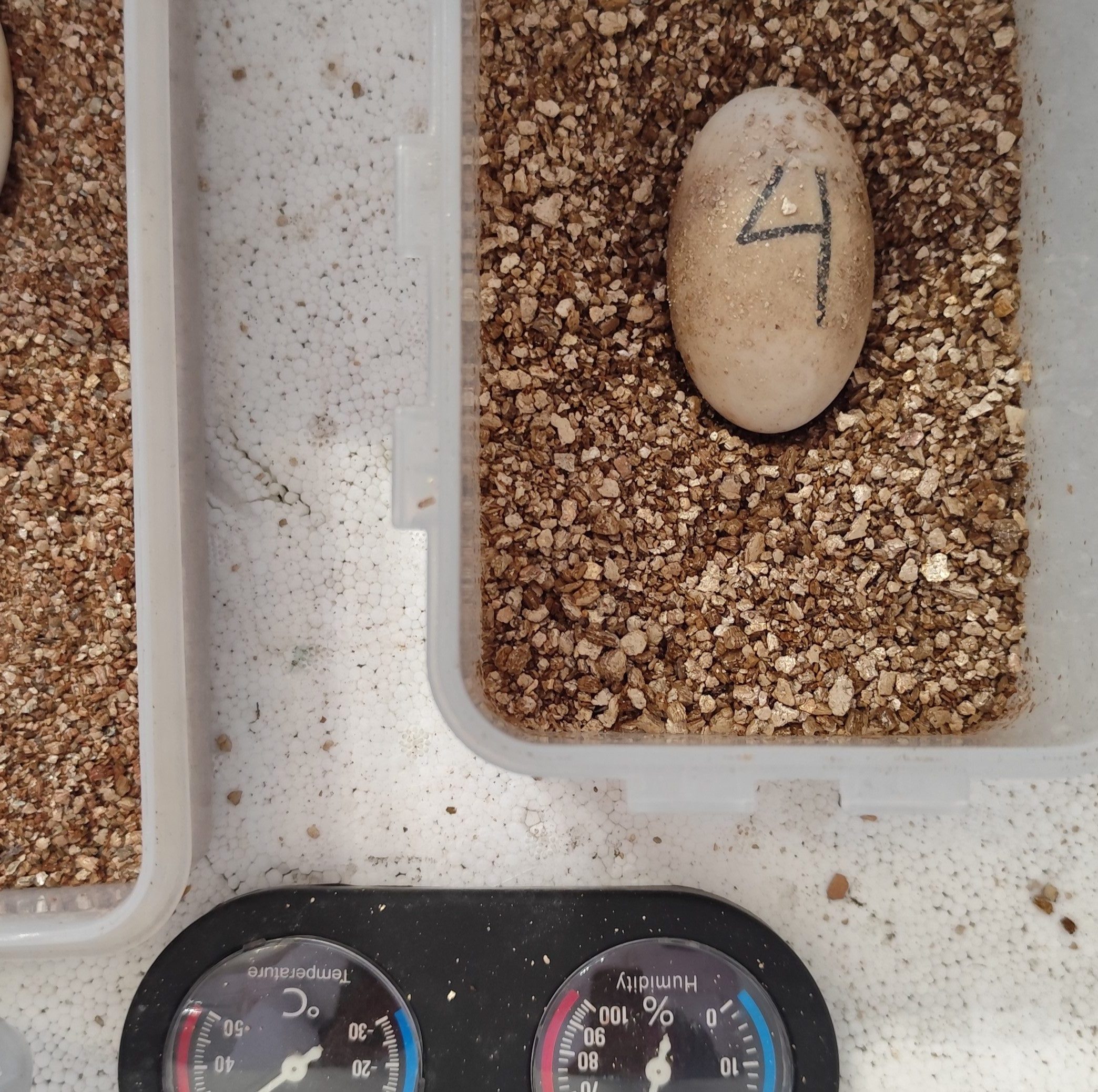
The hatching of the Malayan Giant Turtle eggs was not only good news for the team but also a renewed source of motivation to continue conservation work—work that often moves slowly and is filled with challenges. Each hatchling represents new hope: that through collaboration, consistency, and long-term commitment, the chances for this species to survive remain open.
In addition to field-based conservation efforts, October also marked an important step in mainstreaming conservation practice within academic circles. Irna from WRC Jogja was invited to speak at the Zoology Olympiad organized by the Faculty of Veterinary Medicine, Universitas Gadjah Mada (FKH UGM), in an online session titled “Medical-Based Conservation: The Role of Conservation Institutions in Saving Indonesia’s Endemic Wildlife.” This talk provided an opportunity to share practical conservation experiences with students and academics, highlighting how medical and scientific approaches can directly support the protection of endangered species in Indonesia.
Overall, the activities in October highlight two essential elements of conservation work: the importance of collaboration and dialogue in strengthening strategies and the importance of persistence in the field to safeguard small processes that create meaningful impact. We hope this good news serves as a reminder that every effort—no matter how small—matters for the future of wildlife and the ecosystems they depend on.