You have 0 items in your cart
Conservation is not only about rescuing wildlife in the field. Behind every action, there is a long process of learning, ongoing research, and collaboration with many stakeholders. In August, we have been involved in various activities aimed at strengthening our team’s capacity, deepening scientific understanding, and expanding collaborative networks to support wildlife conservation efforts.
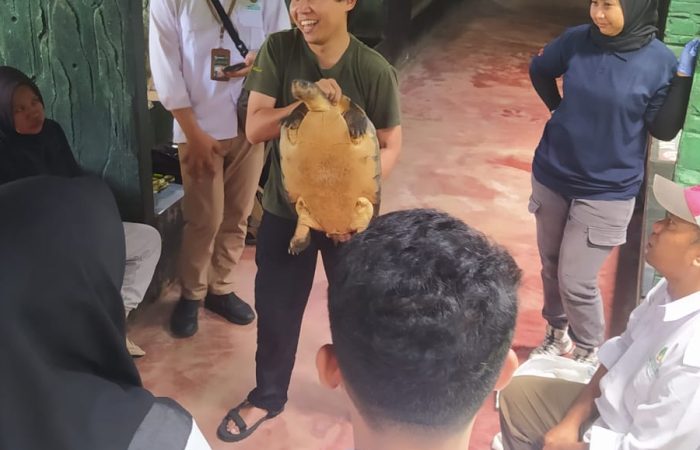
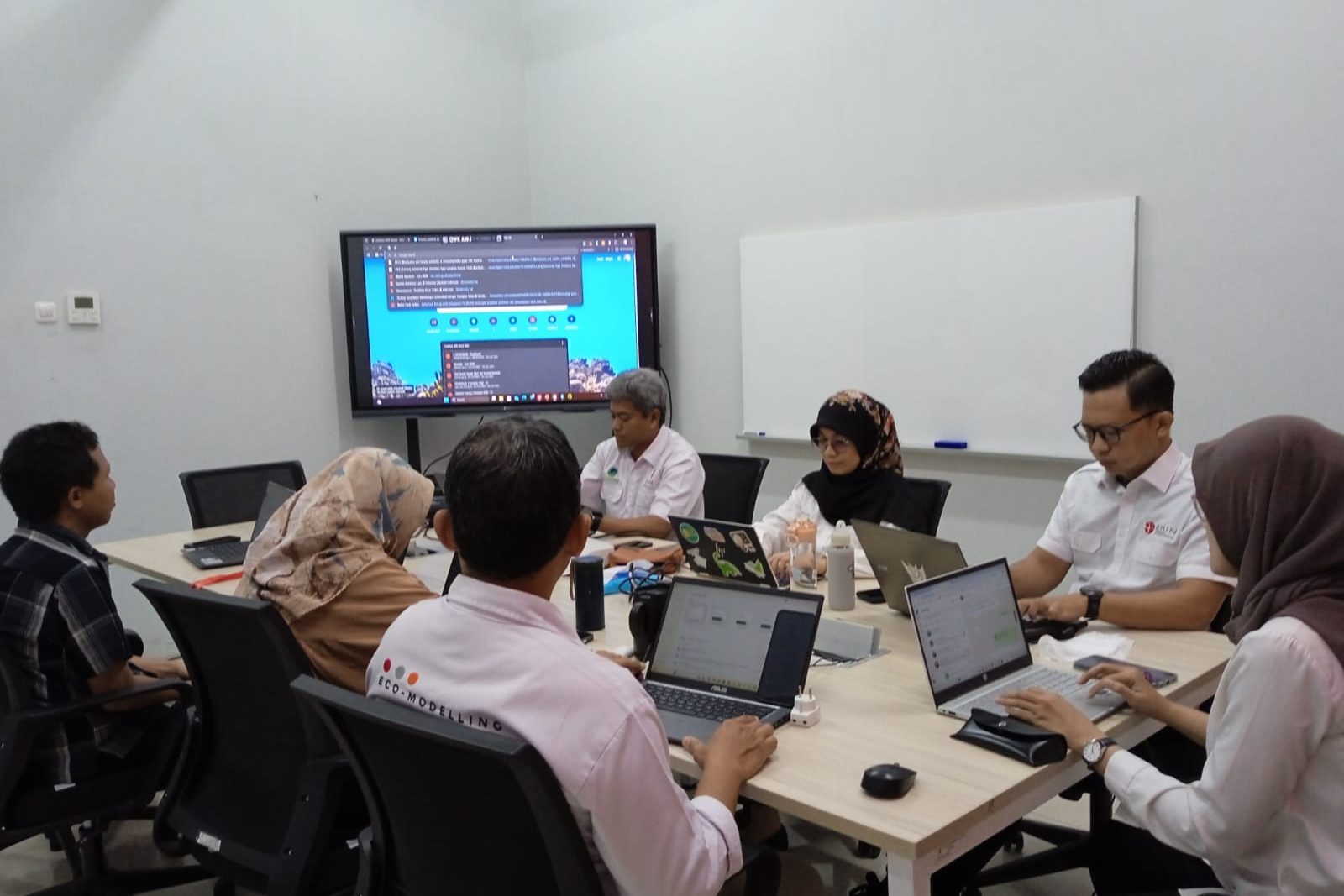
One of the activities we participated in was a training on the use of MaxEnt, a tool commonly used to model the potential distribution of species based on environmental data. Facilitated by researchers from BRIN, this training provided an important opportunity for us to learn directly how data can help us better understand habitat requirements—particularly for the Malayan Giant Turtle (Orlitia borneensis). This knowledge is essential as a foundation for more targeted and effective conservation planning.
This learning process continued with deeper discussions on Species Distribution Modeling (SDM) and its relevance to species conservation status. Beyond the technical aspects of modeling, the training also explored the use of various modern web-based tools and how to communicate scientific findings through writing, both in scientific publications and popular media. For us, the ability to communicate science is just as important as conducting the research itself.
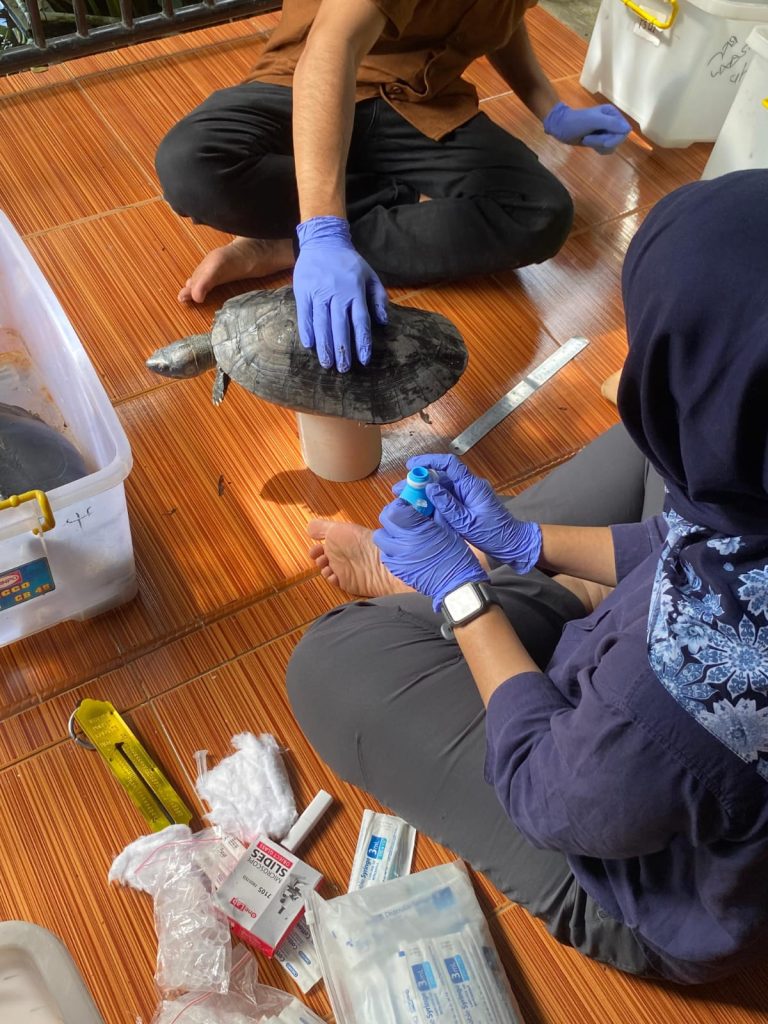
In addition to training activities, we also carried out DNA sampling of the Malayan Giant Turtle (Orlitia borneensis), a species facing increasing threats. This work was conducted at several locations in collaboration with academic institutions and local partners. This process is a crucial step in expanding the genetic data available for the species, which is expected to support long-term conservation strategies. At the same time, these field activities further strengthened cross-institutional collaboration in wildlife conservation efforts.
Not all learning processes have to be serious or formal. Through a collaborative podcast with fellow conservation practitioners, we shared stories, experiences, and the challenges of implementing conservation projects. This format provides space for more relaxed, honest, and accessible discussions, allowing conservation conversations to reach a broader audience.
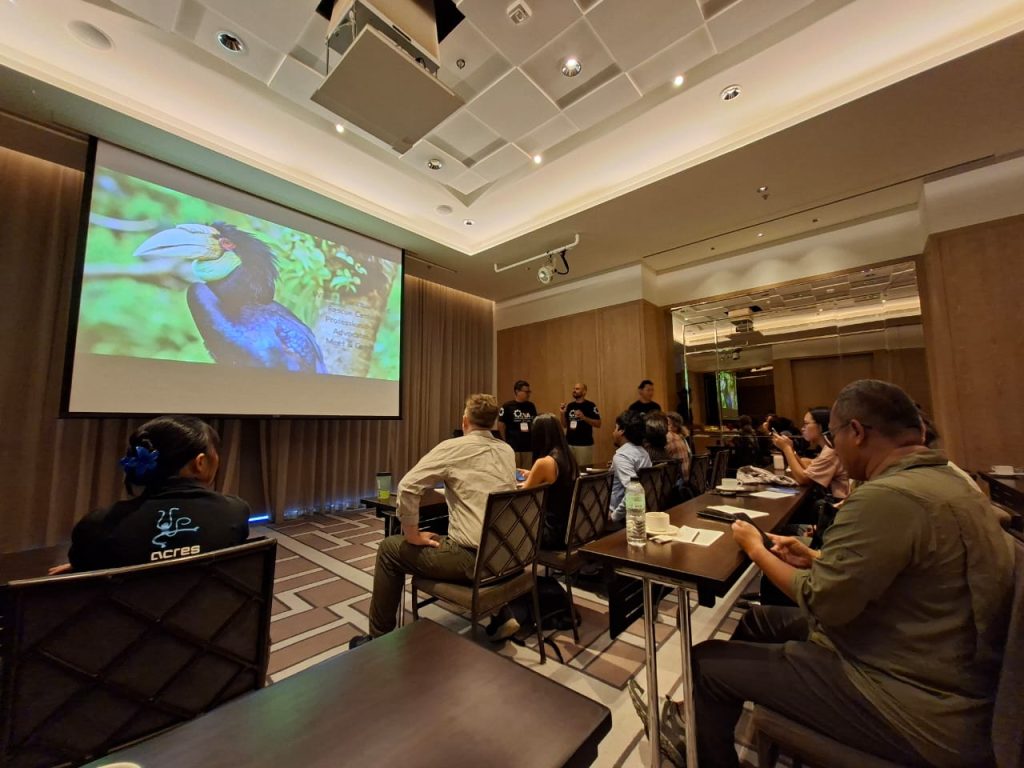
We also had the opportunity to connect with a wider network through our participation in the Asia for Animals Coalition Conference. The forum, themed “Wildlife Sanctuaries and Rescue Centers Professionals/Advocates Meet and Greet,” brought together organizations and individuals from different countries who share a common concern for conservation and animal welfare. From this experience, we gained new insights and were reminded that conservation is a collective effort that transcends geographical boundaries.
This series of activities reminds us that conservation is an ever-evolving journey. By continuing to learn, share, and collaborate, we hope to make meaningful contributions to the protection of wildlife and nature—today and in the future.